
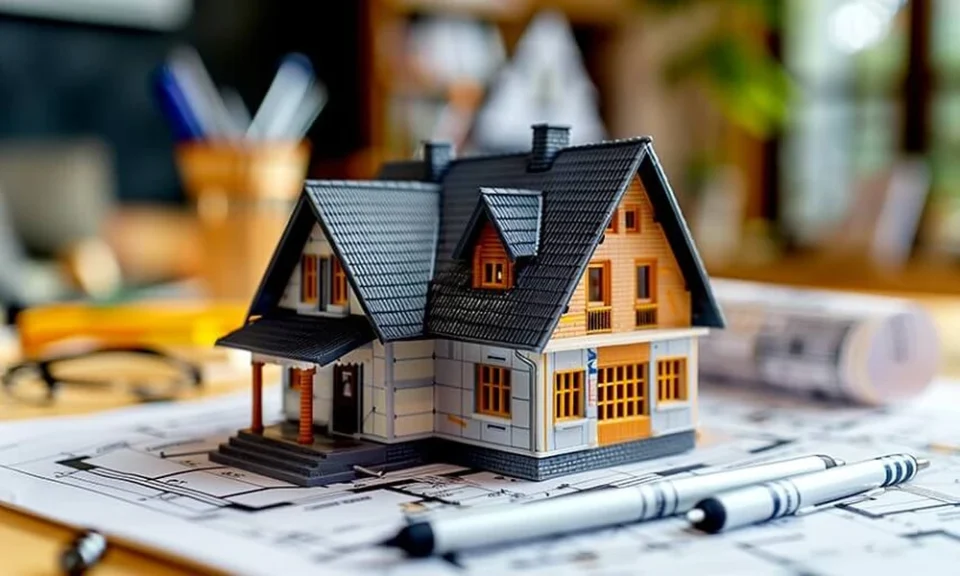
Building a dream home starts with finding the right piece of land. The property you choose will influence your home’s design, construction costs, location, and long-term value. Therefore, it is important to research your options before making a purchase. If you plan to buy land to build a home, consider factors such as location, soil quality, legal approvals, accessibility, and available utilities. Careful planning can help you avoid unexpected expenses and construction difficulties. With the right approach, you can choose a suitable property and create a comfortable living space that meets your family’s needs.
1. Choose a Location That Matches Your Lifestyle
Location is one of the most important factors when purchasing residential land. Look for properties near essential facilities such as schools, hospitals, shopping centres, workplaces, and public transportation. Consider road connectivity, neighbourhood safety, and future development opportunities. A convenient location can make everyday life easier while supporting the property’s long-term value.
2. Check the Land Condition and Soil Quality
Not every plot is suitable for residential construction. Before purchasing, examine the land’s slope, soil condition, drainage, and overall stability. A professional soil test can help determine whether the property can support your planned home. Also, check for flooding risks, uneven surfaces, and other environmental concerns that might increase construction expenses.
3. Verify Property Documents and Building Permissions
Legal verification is essential before finalising a land purchase. Check ownership documents, property boundaries, land-use classification, and any existing legal disputes. Confirm that residential construction is permitted under local regulations. Consult a property lawyer or qualified professional to review the documents and identify possible issues.
4. Calculate the Complete Purchase and Construction Budget
The cost of land is only one part of your overall investment. Include registration charges, taxes, legal fees, land preparation, construction materials, labour, and utility connections in your financial plan. Keep additional funds for unexpected expenses. A realistic budget helps you choose a property without putting unnecessary pressure on your finances.
5. Consider Utilities and Future Development
Check whether the property has access to electricity, water supply, sewage systems, internet connectivity, and proper roads. If these facilities are unavailable, installing them may require additional investment. Also, research planned infrastructure projects and neighbourhood developments that could influence your future living experience.
Conclusion
Choosing the right property requires patience, research, and careful financial planning. When you buy land to build a home, evaluating its location, legal status, physical condition, and available facilities can help you make a confident decision. Proper preparation creates a strong starting point for building a safe, comfortable, and long-lasting home.
