
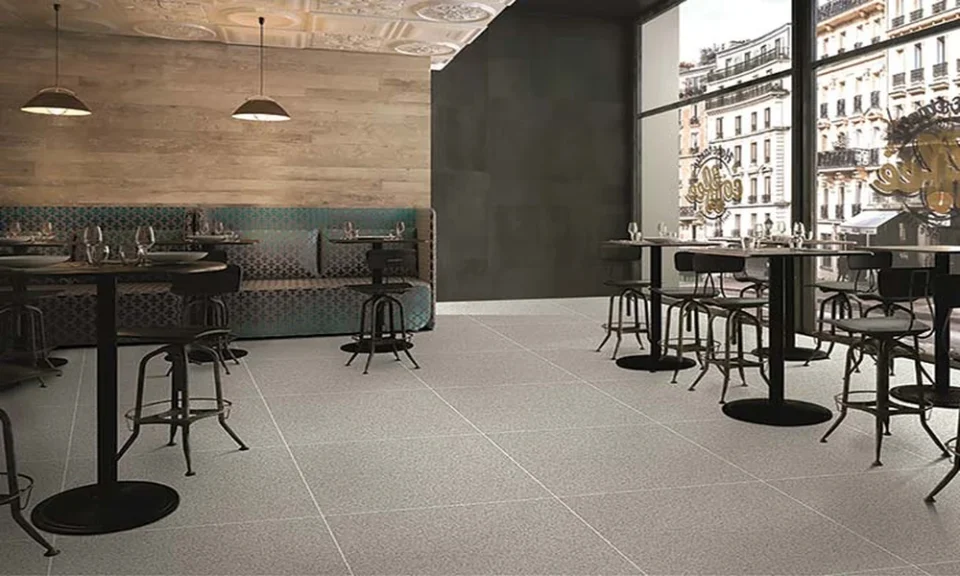
A single tile might seem insignificant, but the right (or wrong) choice can make or break the atmosphere, longevity, and safety of a commercial space. From high-traffic lobbies to sleek office bathrooms, tiles are more than just a detail, they are an investment. But what separates a smart selection from an expensive headache?
Key Considerations for Choosing Commercial Tiles
Durability and Wear Resistance
Foot traffic in commercial spaces is relentless. Tiles for these environments must handle daily wear, resist chipping, and maintain their finish even in the busiest hallways. Porcelain and SPC vinyl options are frequently chosen for their impressive resistance to abrasion and impact. The longevity of your surfaces depends on starting with a material built for constant use.
Aesthetic Appeal and Style Options
While performance is essential, first impressions are equally important. The right tile sets the tone for how clients and staff feel the moment they walk in. Modern, minimalist looks can project sophistication, while bold patterns and finishes can energize a retail environment. A wide selection of colors, sizes, and finishes ensures the tile suits your branding and practical needs.
Maintenance Requirements and Longevity
Cleaning commercial floors isn’t just about ease, it’s about preserving investment over time. Tiles should resist staining, be simple to sanitize, and maintain their look after repeated cleaning. Porcelain and SPC vinyl stand out because they combine low maintenance with extended lifespans, minimizing disruption and cost.
Comparing Tile Materials for Commercial Use
Porcelain Tiles: Strength and Design Versatility
Porcelain remains a top contender for commercial spaces, prized for its density, water resistance, and array of design options. It mimics natural stone or wood, but with less upkeep. Its low porosity means spills and stains are less likely to cause permanent damage, which is especially important in restaurants, showrooms, or bathrooms.
SPC Vinyl: Cost-Effectiveness and Installation Ease
Stone Polymer Composite (SPC) vinyl is rising in popularity thanks to its affordability and flexibility. It offers a balance of tough wear layers and realistic finishes that echo more expensive materials. Quick installation reduces downtime for businesses, and its waterproof nature means it stands up well in demanding environments.
Alternatives: Ceramic, Natural Stone, and Glass Tiles
Ceramic tiles are a budget-friendly choice for moderate-traffic areas but may not match porcelain’s durability. Natural stone delivers luxury and uniqueness though it demands higher maintenance, while glass tiles are best reserved for accent walls and backsplashes due to their delicacy.
| Material | Durability | Moisture Resistance | Maintenance | Cost | Typical Use Cases |
|—————|————|——————–|————-|———–|—————————-|
| Porcelain | High | Excellent | Low | Moderate | Lobbies, bathrooms, retail |
| SPC Vinyl | Medium | Excellent | Low | Low | Offices, retail, restrooms |
| Ceramic | Medium | Good | Moderate | Low | Walls, moderate-traffic |
| Natural Stone | Very High | Variable | High | High | Luxury spaces, feature walls|
| Glass | Low | Excellent | Moderate | High | Backsplashes, accents |
Evaluating Performance Factors
Slip Resistance and Safety Standards
Safety can never be an afterthought in public and commercial areas. Tiles should meet or exceed slip resistance standards, especially in entryways and restrooms. Look for products with textured surfaces or specific slip-resistance ratings.
Moisture and Stain Resistance
Moisture is a constant threat in busy interiors. In restaurants or wellness centers, spilled liquids and tracked-in dirt are inevitable. Tiles with high moisture and stain resistance protect against discoloration and odors.
Impact on Indoor Air Quality
Certain tiles can emit volatile organic compounds (VOCs), affecting air quality. Opt for low-VOC certified products, especially in spaces prioritizing health and sustainability.
Budgeting and Cost Analysis
Initial Purchase Price vs. Long-Term Value
What you pay upfront isn’t the whole story. Cheaper tiles may require more frequent replacement, while higher-quality porcelain or SPC options can save money over time.
Installation and Maintenance Costs
Installation complexity varies, large-format tiles might reduce grout lines but require expert handling. Maintenance costs should remain low, thanks to easy-clean finishes.
Supplier Pricing Strategies and Discounts
Bulk purchases and business programs, like buy-now, pay-later offers, can deliver significant savings for commercial projects.
Supplier Selection and Service Quality
Reliability of Supply and Delivery Timelines
Delays can disrupt entire renovation schedules. Suppliers with strong sourcing relationships and efficient logistics keep projects on track.
Customer Support and After-Sales Service
Expert guidance is crucial, especially for non-standard spaces or custom orders. Look for suppliers who offer ongoing support beyond the sale.
Case Study: Club Ceramic’s Approach to Commercial Clients
Companies like Club Ceramic highlight the value of consistent quality, competitive pricing, and attentive service. Their carefully curated selection and positive client testimonials underscore the impact of knowledgeable staff and reliable delivery, making complex decisions smoother for commercial clients.
Design Trends and Practical Applications
Modern workspaces often favor sleek, minimalist tiles, while hospitality venues may lean into warmer tones or textured finishes for a welcoming ambiance. The right choice depends on the business type and the mood you want to create.
Sustainability and Environmental Impact
Eco-conscious choices matter. Select tiles made from recycled content or certified by environmental organizations. Also, consider the lifespan and end-of-life options, a longer-lasting material means less frequent replacement and reduced waste.
Making the Final Decision: Balancing Priorities
Choosing commercial tiles is about balance. Weigh durability, style, cost, and sustainability against your specific needs. A simple checklist can help:
– What is the expected foot traffic?
– How important is design versus durability?
– What are your maintenance capabilities?
– Does the supplier offer reliable support?
– Are eco-friendly options available?
In the end, the smartest tile choice is the one that meets your business goals today while standing up to tomorrow’s demands.
