
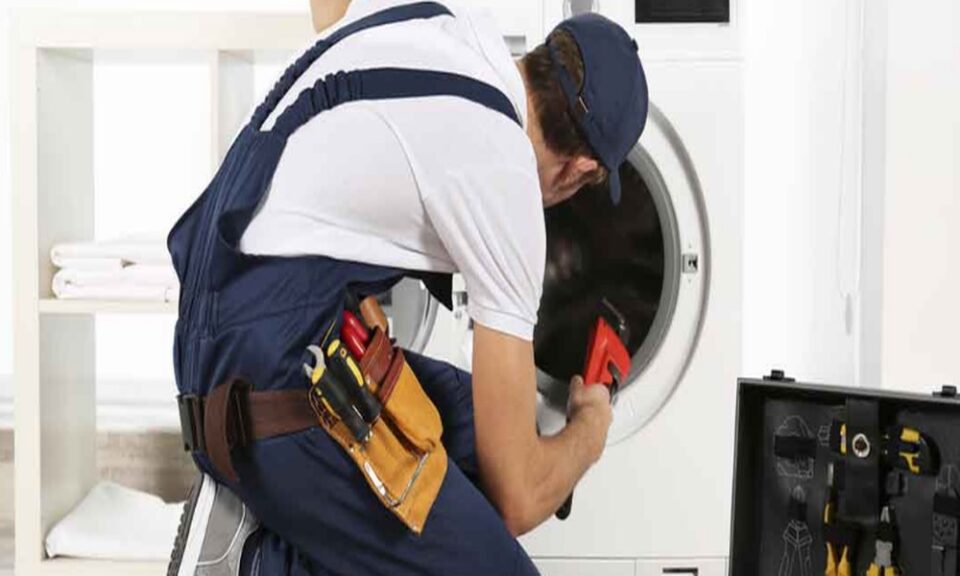
A washing machine failure can disrupt daily routines fast. Laundry piles grow and stress increases. A service call often brings relief and clarity. A trained technician follows a clear inspection path. Each step focuses on safety and function. The visit aims to find the root cause quickly. Many homeowners see only the surface problem. Hidden faults often exist inside the unit. This article explains what happens during a service visit. It shows the real checks behind common washing machine issues.
Testing Water Flow and Drain System
Next, water flow becomes the main focus. The technician turns on the machine cycle. Water must enter at the correct speed. Low pressure may signal a blocked inlet valve. Filters inside the valve can trap debris over time. The drain system also gets tested carefully. The pump must remove water without delay. A clogged hose can slow drainage badly. So, the technician checks for bends and blockages. Standing water often indicates pump trouble. Sometimes, foreign objects block the drain path. The system must move water in and out smoothly. Proper flow ensures effective cleaning performance.
Inspecting the Drum and Motor Components
The drum sits at the heart of the machine. The technician checks drum movement and balance. Smooth rotation signals healthy internal parts. Grinding sounds often suggest worn bearings. The motor also receives close inspection. A faulty motor can stop the entire cycle. So, the technician listens for unusual noises. Belts and pulleys get examined for wear. Loose belts can slip and reduce power. Sometimes, worn components create vibration problems. The drum must spin freely without resistance. A stable drum ensures proper washing and rinsing.
Checking Electrical Systems and Control Panel
Electrical systems control every machine function. The technician tests wiring connections inside the unit. Loose wires can interrupt normal operation. The control board also plays a key role. A damaged board may cause random errors. So, the technician checks for burn marks or faults. Buttons and dials receive careful testing. Each command must respond correctly. Sometimes, a small sensor fails silently. Faulty sensors can confuse the entire system. The machine depends on accurate signals to work well. A full electrical check prevents future breakdowns.
Evaluating Seals, Gaskets, and Overall Performance
Seals and gaskets protect against water leaks. The technician inspects door seals for cracks. Damaged rubber parts often lead to leaks. The machine then runs a full test cycle. This step confirms overall performance and stability. So, the technician observes each stage closely. Filling, washing, and spinning must work together. Unusual noise or delay gets noted quickly. Sometimes, minor issues appear only during operation. The final evaluation ensures no hidden faults remain. A smooth cycle indicates a successful repair process.
Conclusion
A washing machine service call involves detailed inspection steps. Each stage targets a specific system inside the unit. The technician uses experience and careful observation. A proper check ensures long term machine health. Understanding this process builds trust in the service visit. Regular maintenance can reduce unexpected breakdowns. A well-maintained machine supports a smoother daily routine.
