
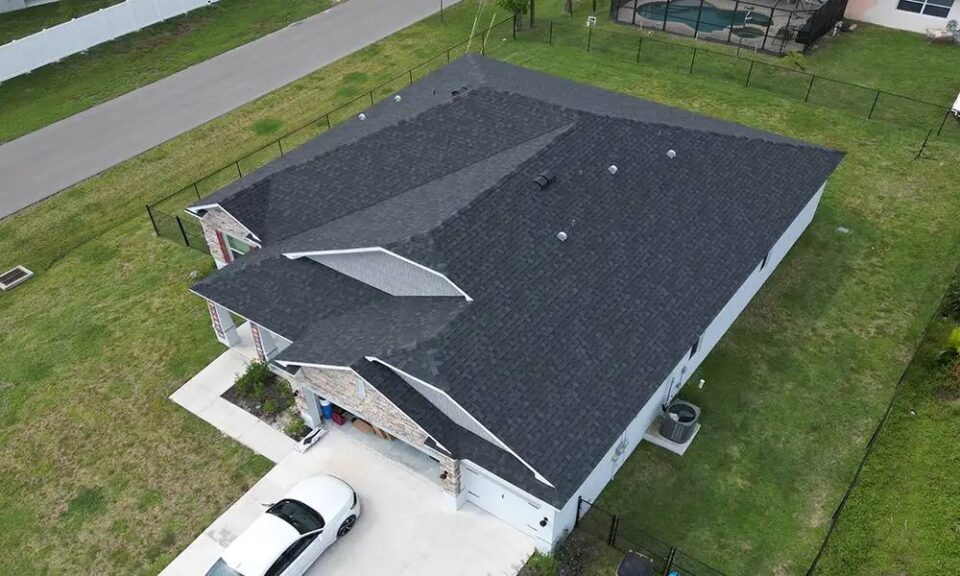
Living near the coast has many advantages, but homeowners in St. Petersburg, Florida also face unique challenges when it comes to maintaining their homes-especially their roofs. One of the biggest environmental factors affecting roofing systems in coastal areas is salt air. Over time, salt carried by ocean breezes can accelerate wear and corrosion on roofing materials, making roof replacement decisions more important than ever.
If you are planning a roof upgrade or evaluating the condition of your current roof, understanding how salt air impacts materials and performance can help you choose the right system for long-term protection.
Why Salt Air Is Tough on Roofing Systems
Coastal air contains microscopic salt particles that travel inland through wind and humidity. While these particles are often invisible, they can cause serious damage to roofing components over time.
Salt air primarily affects roofs in the following ways:
1. Corrosion of Metal Components
Even if your roof is not made entirely of metal, many components contain metal parts such as:
- Flashing
- Nails and fasteners
- Gutters
- Roof vents
- Metal panels or trim
Salt accelerates oxidation, which leads to rust and corrosion. Once metal parts begin to deteriorate, they can weaken the roof’s structural integrity and allow water intrusion.
2. Accelerated Material Breakdown
Salt particles mixed with moisture can gradually break down roofing materials. Shingles, coatings, and sealants may degrade faster in coastal environments, which shortens the overall lifespan of the roof.
3. Increased Moisture Retention
Salt attracts and holds moisture. When salt accumulates on roofing surfaces, it can trap humidity against the roof materials. Over time, this can lead to:
- Mold growth
- Wood rot
- Shingle deterioration
- Structural weakening
For homes in St. Petersburg, these conditions make regular inspections and smart material selection essential.
Best Roofing Materials for Coastal Homes
Because salt air can cause premature damage, homeowners near the coast should consider roofing materials designed to withstand harsh environmental conditions.
Metal Roofing With Protective Coatings
Metal roofs are popular in coastal areas due to their durability and hurricane resistance. However, untreated metal can corrode quickly when exposed to salt.
The best option is coated aluminum or galvanized steel roofing with corrosion-resistant finishes. These coatings act as a barrier between the salt air and the metal surface, greatly extending the roof’s lifespan.
Architectural Asphalt Shingles
High-quality architectural shingles are another strong option for coastal homes. These shingles are thicker and more durable than standard 3-tab shingles and are designed to withstand harsh weather conditions.
Modern asphalt shingles often include protective granules that help resist UV damage and environmental wear, making them suitable for coastal climates when properly installed.
Tile Roofing
Clay or concrete tile roofing performs well in salty environments because the materials are naturally resistant to corrosion. Tile roofs also handle heat and moisture effectively.
However, tile roofs require strong structural support and professional installation to ensure they perform properly during storms and high winds.
The Importance of Corrosion-Resistant Hardware
When replacing a roof in a coastal city like St. Petersburg, choosing corrosion-resistant hardware is just as important as selecting the right roofing material.
Key components should include:
- Stainless steel fasteners
- Galvanized nails
- Aluminum flashing
- Coastal-rated ventilation systems
Using high-quality hardware helps prevent hidden damage that could compromise the roof years after installation.
Maintenance Matters in Coastal Areas
Even the best roofing materials require proper maintenance when exposed to salt air. Routine care can significantly extend the life of your roof.
Recommended maintenance includes:
- Annual professional roof inspections
- Cleaning debris and salt buildup from roofing surfaces
- Checking flashing and fasteners for corrosion
- Maintaining proper attic ventilation
Regular maintenance helps identify minor issues before they turn into expensive repairs or full replacements.
Choosing the Right Roofing Contractor
Replacing a roof in a coastal environment requires specialized knowledge. Roofing contractors familiar with St. Petersburg’s climate and salt exposure can recommend materials and installation methods designed for long-term performance.
Experienced roofers understand how to account for coastal conditions such as:
- Salt corrosion
- Hurricane-force winds
- Heavy rain and humidity
- UV exposure
Working with a knowledgeable professional ensures your new roof is designed to withstand these challenges.
Final Thoughts
Salt air is an unavoidable part of life in St. Petersburg, but it doesn’t have to shorten the lifespan of your roof. By understanding how coastal conditions affect roofing systems, homeowners can make informed decisions when planning a roof replacement.
Selecting durable materials, using corrosion-resistant components, and scheduling regular maintenance can help protect your home from salt-related damage for decades to come.
For homeowners living near the Gulf Coast, investing in the right roofing system is not just about aesthetics-it’s about ensuring your home remains safe, durable, and protected against the unique environmental conditions of coastal Florida.
This post was written by Ted Williams! Ted is the owner of A Old Time Roofing which is the premier Pinellas County Commercial Roofing company! Ted is a Master Elite Weather Stopper GAF Roofing Contractor, a double award winner of Best Steep-Slope Contractor from GAF and achiever of Master Elite Consumer Protection Excellence from GAF. He has been serving the Pinellas County area since 1978. Old Time Roofing has a tradition of quality workmanship, servicing residential and commercial properties.
