
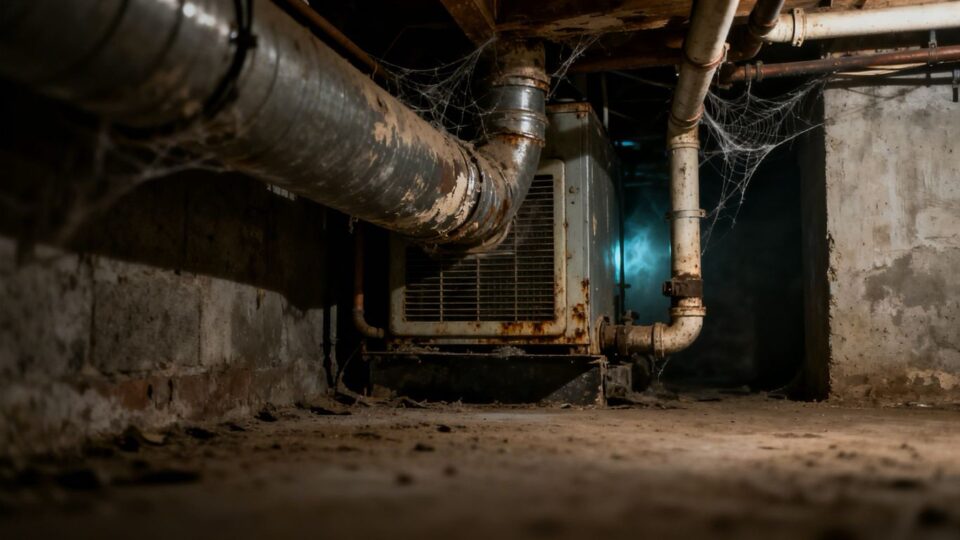
Many older homes, particularly those constructed before the 1980s, may contain asbestos in their heating, ventilation, and air conditioning (HVAC) systems. This material was widely used for its insulating and fire-retardant properties.
The Pervasive Presence of Asbestos in Vintage Heating and Cooling
Asbestos fibers were commonly incorporated into various components of older HVAC systems. This was due to their effectiveness in managing heat and preventing condensation. You might find it in:
- Insulation wrapped around ductwork and pipes.
- Cementitious materials used in duct construction, such as Transite pipes.
- Gaskets and seals within the system.
The greatest health risk arises when these materials are disturbed, releasing microscopic fibers into the air.
Why Asbestos Was Once a Preferred Material
Before its health hazards were fully understood, asbestos was a popular choice for building materials. Its key advantages included:
- Excellent Insulation: It provided effective thermal insulation for both heating and cooling systems.
- Fire Resistance: Its non-combustible nature made it a valuable safety feature.
- Durability and Cost-Effectiveness: Asbestos was readily available and relatively inexpensive to incorporate into products.
Manufacturers continued to use asbestos even after learning about its dangers, driven by profit motives and a desire to maintain the low cost of their products. This practice continued until the late 1970s when regulations began to phase it out of most home-building materials. If you suspect asbestos is present, professional testing is recommended before any site preparation for asbestos abatement.
Health Risks Associated with Asbestos Exposure
Inhaling asbestos fibers can lead to serious, long-term health problems. These diseases often take decades to develop, with symptoms appearing many years after exposure. The primary health concerns include:
- Asbestosis: A condition causing scarring of the lung tissue.
- Lung Cancer: Increased risk of developing lung cancer.
- Mesothelioma: A rare and aggressive cancer affecting the lining of the lungs, abdomen, or heart, strongly linked to asbestos exposure.
The risk is significantly higher when asbestos-containing materials are damaged, deteriorating, or cut, as this releases the fibers into the air. If asbestos is found, it may be possible to leave it undisturbed if it’s in good condition, but regular monitoring is advised. For significant issues, professional asbestos removal services are the safest option.
Identifying Asbestos in Basement Plumbing
Many older homes still have plumbing systems that might contain asbestos. This material was once popular for insulating pipes because it was good at handling heat and didn’t cost much. However, we now know it’s a serious health hazard. If you’re in an older house, especially in the basement, it’s smart to know what to look for.
Recognizing Asbestos Pipe Insulation
Asbestos insulation on pipes often looks like a white, gray, or tan wrap. Sometimes it’s a plaster-like coating, or it might appear as a fluffy, almost cotton-like material. It was commonly used on hot water and steam pipes to keep the heat from escaping. The only sure way to know if it contains asbestos is to have it tested by a professional. Relying on looks alone can be misleading, as other materials can resemble asbestos.
The Dangers of Friable Asbestos Materials
Over time, asbestos insulation can become brittle. When this happens, it’s called friable. Friable asbestos can easily crumble into a fine powder. This powder contains tiny asbestos fibers that can become airborne. If these fibers are inhaled, they can get stuck in the lungs and cause severe health problems down the line, like lung cancer or mesothelioma. Even touching or bumping old, brittle insulation can release these dangerous fibers into the air.
Basement Conditions Accelerating Material Degradation
Basements are often damp and don’t get much fresh air. These conditions can speed up the breakdown of asbestos insulation. Things like leaks, high humidity, or even minor renovations can disturb the material. When asbestos insulation degrades, it’s more likely to release fibers. This makes basements a particular concern for asbestos exposure. If you’re planning any work in your basement, especially involving the plumbing or heating systems, it’s wise to get any suspect insulation checked out first.
Transite Pipe: A Common Asbestos HVAC Component
Composition and Use of Transite HVAC Ducts
Transite pipe, a product developed by Johns-Manville, is a type of asbestos-cement material. It was commonly manufactured using a mixture that typically included 15-25% chrysotile asbestos fibers, along with Portland cement and silica. This composition made the material durable and resistant to heat and corrosion, leading to its widespread use in building systems. In HVAC applications, Transite was frequently employed for air ducts, particularly in older homes. It was also used as flue material for venting heating appliances, such as gas furnaces. The material’s ability to withstand high temperatures made it seem like a suitable choice for carrying heated air or exhaust gases. However, the presence of asbestos fibers within this material poses significant health risks.
Potential for Airborne Asbestos Release
The primary concern with Transite HVAC components is the potential for asbestos fibers to become airborne. When the material is intact and undisturbed, the asbestos fibers are bound within the cement matrix. However, several factors can compromise this matrix and lead to the release of these hazardous fibers into the air:
- Physical Damage: Cracks, breaks, or deterioration of the Transite pipe can expose the asbestos fibers. This damage can occur due to impacts, settling of the building, or the natural aging process.
- Mechanical Disturbances: Activities such as renovations, repairs, or even routine maintenance that involve cutting, drilling, or disturbing the Transite material can generate significant amounts of airborne asbestos. This is especially true if power tools are used.
- HVAC System Operation: The constant airflow within an HVAC system can agitate dust and debris within the ducts. Over time, this can contribute to the gradual release of asbestos fibers, particularly if the material is already degraded.
- Water Intrusion: In cases where Transite ducts are installed below concrete slabs, they can become susceptible to water intrusion. This moisture can weaken the cementitious material and potentially facilitate the release of asbestos fibers, while also creating conditions for mold growth.
Factors Influencing Asbestos Hazard Levels
The actual risk posed by Transite HVAC components is not uniform and depends on several variables. Understanding these factors is key to assessing the potential danger in a specific building. The level of hazard is influenced by:
- Condition of the Material: The most critical factor is the physical state of the Transite pipe. Intact, undamaged Transite poses a lower risk than material that is cracked, crumbling, or showing signs of wear. Friable (easily crumbled) asbestos materials are particularly dangerous as they readily release fibers.
- Usage of the HVAC System: Systems that are used frequently, especially those with powerful blowers, can increase the agitation within the ducts and thus the potential for fiber release. The direction of airflow (upflow vs. downflow furnaces) can also play a role.
- Environmental Factors: For ducts installed in slabs, issues like water intrusion and subsequent mold growth can exacerbate the problem. In some regions, these in-slab ducts can also serve as entry points for other hazardous substances like radon and sewer gases, compounding the indoor air quality concerns. If you suspect issues with your plumbing, consider looking into flexible couplings for potential repairs or replacements.
- Maintenance and Housekeeping: Poor general housekeeping can allow any released asbestos fibers to accumulate in settled dust, which can then be disturbed. Regular professional inspections are recommended for buildings with suspected asbestos-containing materials.
Risks Associated with In-Slab Ductwork
HVAC Ducts Encased in Concrete Slabs
When HVAC ductwork is installed directly within concrete slabs, it creates a unique set of potential problems. Unlike ducts located in accessible attics or crawl spaces, these systems are buried, making inspection and repair significantly more difficult. This inaccessibility means that issues can go unnoticed for extended periods, potentially leading to more serious complications. The primary concern with in-slab ductwork is its vulnerability to environmental factors that can compromise both the duct’s integrity and the indoor air quality.
Water Intrusion and Mold Growth in Ducts
One of the most significant risks associated with in-slab ductwork is water intrusion. Leaks from plumbing, groundwater seepage, or even condensation can enter the ducts. Once water is present, it creates an ideal environment for mold and bacterial growth. This contamination can then be distributed throughout the home via the HVAC system, posing serious health risks to occupants. Furthermore, persistent moisture can lead to the deterioration of duct materials, especially if asbestos-containing materials like Transite were used, potentially causing them to break down and release fibers.
Radon and Sewer Gas Entry Through In-Slab Ducts
In-slab duct systems can also act as conduits for hazardous gases. In areas with high radon levels in the soil, the negative pressure created by the HVAC system’s fan can draw radon gas directly into the ducts and subsequently into the living space. This is particularly concerning if the ductwork has leaks or cracks in the slab. Similarly, if sewer lines near the in-slab ducts develop leaks, sewer gases can infiltrate the HVAC system. This can lead to unpleasant odors and potential exposure to harmful pathogens. The combination of these risks makes in-slab ductwork a system that warrants careful consideration and professional evaluation.
Professional Asbestos Abatement Services
When asbestos is identified in your home’s older HVAC or plumbing systems, it is important to address it promptly and safely. Professional asbestos abatement services are necessary to manage the risks associated with these hazardous materials. Attempting to remove asbestos-containing materials without proper training and equipment can lead to dangerous fiber release into the air, posing significant health risks to occupants. Certified professionals have the knowledge, tools, and procedures to conduct abatement safely and effectively.
When to Call Certified Asbestos Professionals
Several situations warrant the involvement of certified asbestos professionals:
- Discovery during renovations or repairs: If you uncover suspected asbestos materials while working on your HVAC or plumbing systems, stop work immediately and call for an inspection.
- Visible damage to materials: If insulation or pipe wrap appears damaged, crumbling, or is in a friable state (easily crumbled by hand), it indicates a higher risk of airborne fiber release.
- Routine home inspection or sale: Asbestos testing may be recommended or required during the process of buying or selling a home, especially older properties.
- Concerns about indoor air quality: If there are ongoing concerns about the air quality in your basement or home, and asbestos is suspected, professional assessment is advised.
The Asbestos Removal Process Explained
Professional asbestos abatement follows a strict, regulated process designed to minimize exposure and ensure proper disposal. While specific steps may vary slightly by jurisdiction and the nature of the asbestos-containing material, a typical process includes:
- Containment: The work area is sealed off using plastic sheeting and negative air pressure systems to prevent fibers from spreading to other parts of the home.
- Wetting: Asbestos materials are typically wetted down with a special solution to reduce dust generation during removal.
- Removal: Trained technicians carefully remove the asbestos-containing materials using specialized tools and place them into sealed, labeled bags.
- Cleaning: The area is thoroughly cleaned using HEPA vacuums and wet wiping methods to remove any residual fibers.
- Air Monitoring: Post-abatement air samples are often taken and analyzed to confirm that the air is safe and fiber levels are below regulatory limits.
- Disposal: All removed asbestos waste is transported and disposed of at licensed hazardous waste facilities according to strict regulations.
Restoring Your System with Safe Insulation
Once asbestos abatement is complete and the area has been cleared by air monitoring, the focus shifts to restoring the affected systems. This often involves installing new, safe insulation materials for your HVAC ducts or pipes. Modern insulation products are designed to be energy-efficient and are made from materials that do not pose the health risks associated with asbestos. Professionals can recommend and install appropriate insulation that will help maintain your home’s comfort and energy performance without compromising safety. This step is vital for ensuring the long-term health and integrity of your home’s infrastructure.
Legal and Health Implications of Asbestos
Regulatory Landscape for Asbestos Materials
The use of asbestos in building materials, including HVAC systems and plumbing, has been significantly restricted and regulated over the past several decades due to its known health hazards. While its use in new construction is largely banned in many countries, older homes and buildings may still contain asbestos-containing materials (ACMs). Regulations typically focus on:
- Identification and Notification: Requirements for building owners to identify and document the presence of asbestos.
- Handling and Disposal: Strict protocols for managing, removing, and disposing of ACMs to prevent fiber release.
- Worker Protection: Standards for training and protective equipment for individuals who may encounter asbestos during maintenance or renovation.
Navigating these regulations can be complex, and non-compliance can lead to significant fines and legal liabilities. Understanding the legal framework is vital for property owners and contractors alike.
Long-Term Health Consequences of Exposure
Exposure to asbestos fibers, particularly through inhalation, can lead to severe and often fatal diseases. These conditions typically have a long latency period, meaning symptoms may not appear for 10 to 40 years or more after initial exposure. The primary health risks include:
- Asbestosis: A chronic lung disease characterized by scarring of lung tissue, leading to shortness of breath and reduced lung function.
- Lung Cancer: Asbestos exposure significantly increases the risk of developing lung cancer, especially in individuals who also smoke.
- Mesothelioma: A rare and aggressive cancer that affects the lining of the lungs, abdomen, or heart. It is almost exclusively caused by asbestos exposure.
The microscopic nature of asbestos fibers makes them easily inhalable, and once in the lungs, they can cause lasting damage.
The Importance of Professional Testing and Removal
Given the serious health risks and complex regulations, it is strongly advised to involve certified professionals when asbestos is suspected in your home’s HVAC or plumbing systems. These professionals are trained to:
- Conduct thorough inspections and testing using proper methods to confirm the presence and type of asbestos.
- Develop a safe abatement plan that minimizes the risk of fiber release during removal.
- Perform the removal and disposal of asbestos materials in compliance with all federal, state, and local regulations.
Attempting to remove asbestos without proper training and equipment can lead to widespread contamination and serious health consequences for occupants and the removal crew. For more information on the risks faced by HVAC professionals, resources are available that detail the dangers and potential legal avenues for those affected by asbestos exposure in HVAC systems. If you are concerned about asbestos in your home, seeking guidance from qualified asbestos abatement specialists is the safest course of action.
